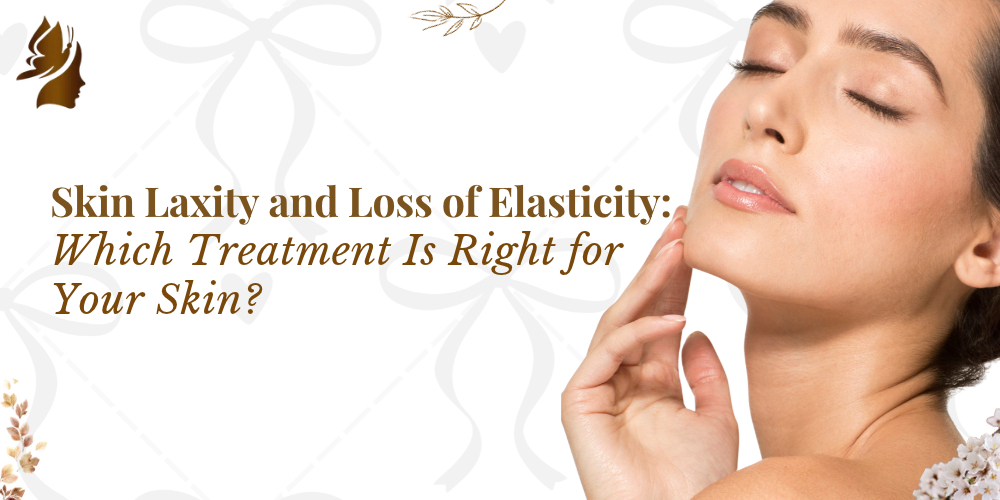
Which Treatment Is Right for Your Skin?
Skin changes gradually over time, and one of the most noticeable changes is a loss of firmness. Skin Tightening may be worth exploring if you notice looser skin around your jawline, fine lines across your cheeks or reduced definition around the neck. These changes are often linked to skin laxity, which occurs when the skin loses some of its natural elasticity and ability to maintain its structure.
Understanding the causes of these changes can help you explore suitable treatment options. From collagen-supporting procedures to treatments that improve skin texture, the right approach depends on your skin condition, concerns and expectations.
Why Does Skin Lose Its Elasticity?
Collagen and elastin are essential proteins that help keep skin firm, flexible and resilient. As we age, the body’s production of collagen gradually declines, while existing elastin fibres can become less effective. Consequently, the skin may appear thinner, less firm and more prone to fine lines.
Several other factors can contribute to skin laxity:
- Sun exposure: Ultraviolet radiation can damage collagen and elastin, contributing to premature ageing.
- Weight fluctuations: Significant changes in body weight may affect skin firmness and its ability to retract.
- Lifestyle habits: Smoking, inadequate sleep and poor nutrition can influence overall skin health.
- Genetics: Individual differences affect when and where visible skin laxity develops.
Although these changes are a natural part of ageing, understanding their underlying causes helps determine which treatments may be appropriate.
Which Skin Tightening Options May Suit Your Skin?
Skin Tightening treatments aim to improve firmness and the appearance of loose skin. However, different approaches address different concerns, and no single procedure is suitable for everyone.
Endolift is a minimally invasive laser-based treatment used to address selected concerns involving skin laxity and facial contouring. It works by delivering laser energy beneath the skin through a fine optical fibre, stimulating tissue responses that may support tightening. Suitability depends on factors such as the treatment area, degree of laxity and individual medical history.
For people with mild skin changes, less invasive approaches may be more appropriate. Others with more noticeable loose skin may require a different treatment strategy, and significant laxity may not respond sufficiently to non-surgical procedures.
Treatment benefits, recovery periods and potential side effects should be discussed before proceeding. A qualified practitioner can explain the likely limitations and whether a particular procedure aligns with your goals.
The Role of Skin Rejuvenation Treatments
Skin laxity is not the only concern that can affect facial appearance. Uneven texture, fine lines, enlarged pores and sun-related changes may also become more noticeable as the skin ages.
Skin rejuvenation treatments focus on improving aspects of skin quality, including texture and surface appearance. Depending on the concern, options may include treatments that encourage skin renewal or stimulate collagen production.
Tixel and Tixel 2 use controlled thermal energy delivered through a specialised tip to create a targeted effect on the skin. They may be considered for selected concerns involving texture, fine lines and signs of skin ageing. However, they are not interchangeable with every skin-tightening procedure, and suitability depends on the individual’s skin and treatment objectives.
It is important to distinguish between improving skin texture and addressing deeper tissue laxity. A treatment that helps smooth the skin’s surface may not provide substantial lifting, while a procedure targeting firmness may not resolve pigmentation or every textural concern.
How Can You Choose the Right Treatment?
The most suitable approach begins with an assessment rather than choosing a procedure based on popularity. Your practitioner should consider the degree of laxity, skin quality, medical history, previous treatments and desired outcome.
During your assessment, discuss the following:
- Your main concern: Is it loose skin, fine lines, uneven texture or reduced jawline definition?
- Treatment suitability: Could your skin condition or medical history increase the risk of complications?
- Recovery requirements: Will you need time away from work or activities while your skin recovers?
- Realistic expectations: What level of improvement is achievable, and could more than one treatment be needed?
Potential side effects, aftercare and alternatives should also be explained before a decision is made. Results vary, and some treatments may require repeat sessions or maintenance.
At Dr. Ram Aesthetics, an individualised approach helps ensure that treatment options are considered in the context of your skin concerns and aesthetic goals.
Find the Right Approach for Your Skin
Changes in skin firmness do not always require the same solution. Understanding the difference between skin tightening and surface rejuvenation can help you make an informed decision based on your individual needs.
If you are concerned about loose skin, fine lines or reduced facial firmness, Book a consultation with Dr. Ram Aesthetics to discuss your concerns and explore suitable treatment options.
Frequently Asked Questions
What causes skin to lose elasticity?
Ageing, reduced collagen and elastin, sun exposure, genetics and lifestyle factors can all contribute to reduced skin elasticity and visible laxity.
Can loose skin improve without surgery?
Some non-surgical and minimally invasive treatments may improve mild to moderate skin laxity. However, the degree of improvement varies, and significant excess skin may require surgical assessment.
How do I know which treatment suits my skin?
A professional assessment can help identify whether your main concern involves skin texture, collagen loss or deeper laxity. Your medical history and expectations should also guide the decision.
Can skin rejuvenation treatments improve skin texture?
Yes, selected treatments may improve the appearance of uneven texture and fine lines. The outcome depends on the treatment used, the condition being addressed and individual skin characteristics.