Fine lines around the eyes are a natural part of facial expression. Smiling, laughing and squinting all involve the delicate skin around the outer corners of the eyes, where small lines can gradually become more noticeable. Many people want to soften these changes while keeping the expressions that make their face look like them.
Understanding the cause of these lines is an important first step when exploring crow feet treatment. For people in the Isle of Man, a personalised assessment at Dr. Ram Aesthetics can help clarify suitable options, realistic expectations and the importance of maintaining natural facial expression.
Understanding Fine Lines Around the Eyes
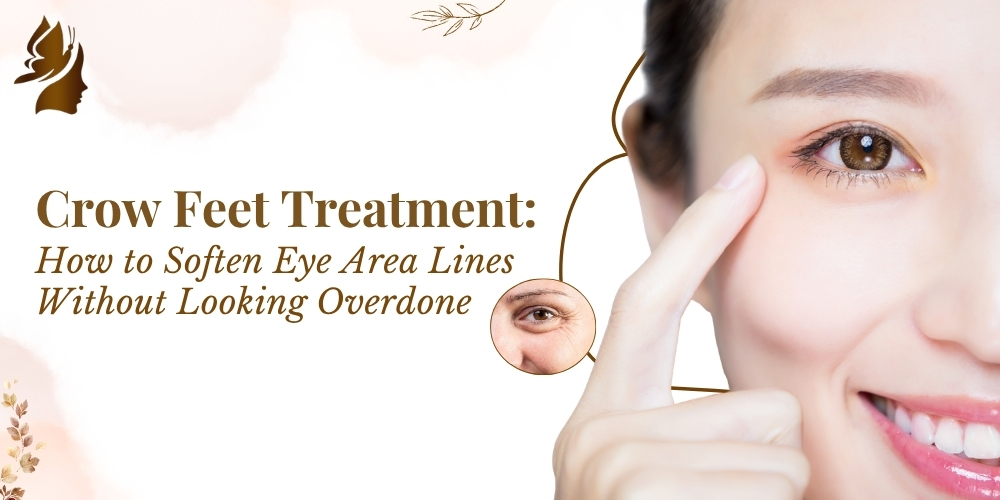
Crow’s feet are the fine lines that develop at the outer corners of the eyes. They often appear when someone smiles or squints, but they can also become visible when the face is relaxed.
Expression lines develop through repeated facial movements over time. As skin ages, changes in collagen, elasticity and hydration can make these lines more noticeable. Sun exposure, smoking and individual skin characteristics may also influence their appearance.
Understanding whether lines appear mainly during movement or remain visible at rest can help guide an aesthetic assessment. These concerns can look similar, but they may require different approaches depending on their underlying causes.
Treatment Options for a Softer, Natural Appearance
The aim of aesthetic treatment does not have to be removing every visible line. Many people prefer a softer appearance that preserves their ability to smile and express themselves naturally.
Suitable options depend on the type of lines, skin quality, facial movement and individual medical considerations. During an assessment, a qualified medical professional can discuss whether an aesthetic treatment may help address the concern and explain its limitations.
A thoughtful approach to crow feet treatment considers the surrounding facial muscles and the delicate eye area rather than focusing on individual lines alone. Treatment should reflect the person’s preferences, with realistic expectations about the degree of change they may achieve.
It is also worth remembering that skincare, sun protection and healthy habits play a role in supporting skin quality. These measures may help maintain the skin, although they cannot necessarily remove established expression lines.
Crow’s Feet and the Wider Eye Area
Not every concern around the eyes comes from the same cause. Lines at the outer corners differ from under-eye hollows, which can create shadows or make the area appear tired.
Under-eye hollows relate to the contour and volume beneath the eyes, while crow’s feet develop around the outer eye area through facial movement and changes in skin quality.
Tear trough treatment addresses concerns involving the hollow beneath the lower eyelid. It is not a direct treatment for crow’s feet, and it may not suit everyone. The under-eye area has delicate anatomy, so a careful medical assessment is essential before considering treatment there.
Identifying the specific concern helps prevent choosing a treatment simply because it is associated with the eye area. The most appropriate option depends on the person’s anatomy, skin characteristics and goals.
A Personalised Approach at Dr. Ram Aesthetics
At Dr. Ram Aesthetics, individual assessment helps establish what a person hopes to achieve and which considerations may influence treatment planning. Rather than assuming that one approach suits everyone, the focus remains on facial features, medical history and personal preferences.
For people exploring aesthetic options in the Isle of Man, a consultation provides an opportunity to discuss how noticeable the lines are, when they appear and whether other eye-area concerns contribute to their appearance.
This discussion should also cover potential benefits, limitations and risks. A natural-looking outcome depends on appropriate treatment selection, careful planning and a realistic understanding of what the procedure can achieve.
Important Considerations Before Treatment
The eye area requires particular care because of its delicate anatomy and the role facial muscles play in expression. Not everyone will be suitable for every aesthetic procedure.
Before proceeding, discuss your medical history, current medication, previous treatments and expectations with an appropriately qualified medical professional. Ask about potential side effects, complications, aftercare and any signs that would require medical attention.
It is also sensible to ask how a proposed treatment may affect facial movement and what alternatives might be appropriate. A responsible assessment should explain both the possible benefits and the limitations without promising a particular result.
A Thoughtful Approach to Eye-Area Lines
Fine lines around the eyes are normal, and addressing them does not mean changing the character of your face. Understanding their causes and choosing an appropriate approach can help you make informed decisions about your aesthetic goals.
If you are considering your options in the Isle of Man, Dr. Ram Aesthetics can help you explore the relevant considerations through an individual assessment. Book a consultation to discuss your concerns, understand potential treatment options and decide on an approach that reflects your preferences.
Frequently Asked Questions
1. What causes crow’s feet around the eyes?
Repeated facial movements, natural ageing, changes in skin elasticity and sun exposure can contribute to fine lines around the outer corners of the eyes.
2. Can crow’s feet be softened without looking overdone?
A carefully selected treatment may soften their appearance while aiming to preserve natural expression. Results depend on individual anatomy, the treatment chosen and personal circumstances.
3. Is tear trough treatment the same as treatment for crow’s feet?
No. Tear trough treatment focuses on hollows beneath the eyes, whereas crow’s feet appear at the outer corners. Each concern requires its own assessment.
4. What should I discuss during an aesthetic consultation?
Discuss your main concerns, medical history, desired outcome, possible risks, suitable options and how treatment might affect your natural facial expressions.