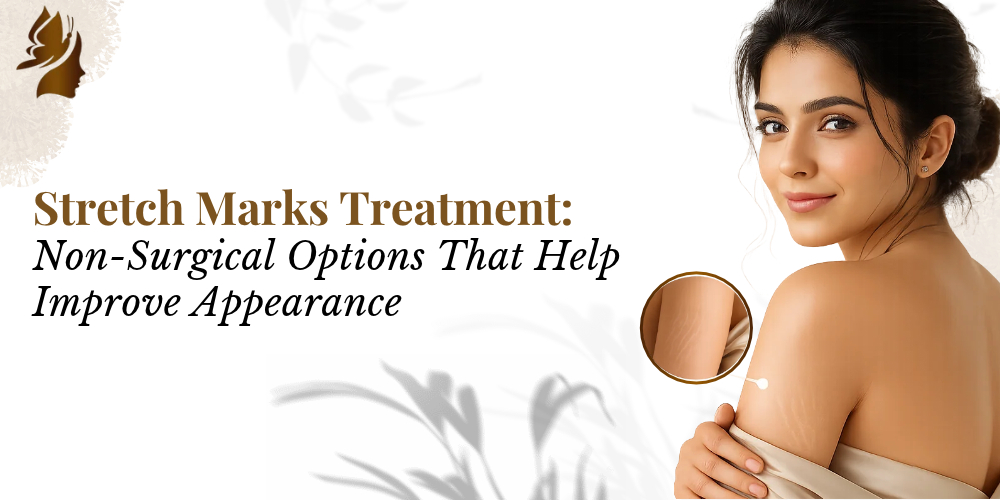
Stretch marks are a common skin concern that can develop during pregnancy, puberty, weight changes or periods of rapid growth. Although stretch marks do not pose a health risk, their colour and texture can make some people feel less confident about their skin. Many people therefore explore Stretch Marks Treatment options that may help make these lines less noticeable without undergoing surgery.
The good news is that several non-surgical approaches can support improvements in skin texture and appearance. However, results depend on the type of stretch marks, skin condition and the treatment a practitioner recommends. Understanding these factors is an important first step towards making an informed decision.
What Causes Stretch Marks?
Stretch marks develop when the skin stretches or changes rapidly, affecting the collagen and elastin fibres within its middle layer, known as the dermis. These fibres help maintain the skin’s strength and flexibility. When rapid stretching damages these fibres, the skin develops visible lines.
Common causes include:
- Pregnancy: The abdomen, breasts and hips expand as the body changes.
- Rapid weight changes: Significant weight gain or loss can place stress on the skin.
- Puberty: Growth spurts may cause marks around the thighs, hips and back.
- Muscle growth: Rapid changes in muscle size can stretch the surrounding skin.
- Hormonal factors: Changes in hormone levels and certain medical conditions can influence skin elasticity.
New stretch marks often show pink, red, purple or darker tones than the surrounding skin. Over time, they usually fade into lighter, silvery lines, although their texture may remain different.
Can Stretch Marks Improve Without Surgery?
Yes, certain non-surgical treatments may help improve the appearance of stretch marks, although complete removal is not a realistic expectation. The aim is generally to make the skin look smoother, improve uneven texture and reduce the visibility of affected areas.
Options may include laser-based procedures, radiofrequency treatments, selected topical products and skin resurfacing approaches. Practitioners assess the age and depth of the marks, along with each individual’s skin characteristics, before recommending a treatment.
It is also worth remembering that moisturisers can support skin hydration and comfort, but they cannot reliably repair the structural changes responsible for established stretch marks. A professional assessment helps identify which options are appropriate rather than relying on products or procedures that may not address the concern.
How Can Tixel 2 Help Improve Skin Appearance?
Tixel 2 is a thermo-mechanical skin rejuvenation device that uses controlled heat transfer through a specialised treatment tip. It creates tiny, controlled treatment points on the skin, encouraging a natural healing response and supporting skin resurfacing.
A practitioner may discuss this approach with people who want to improve uneven skin texture or certain surface irregularities. By supporting skin renewal, it may contribute to an improvement in overall skin appearance.
However, Tixel 2 primarily supports dermatological skin resurfacing and rejuvenation rather than specifically targeting stretch marks. Evidence supporting its use for stretch marks remains limited. Therefore, it should not be presented as a proven way to remove these marks.
Following treatment, temporary redness, sensitivity or mild swelling may occur. Some individuals may also experience a short recovery period, depending on the treatment settings and skin response. A qualified practitioner should assess suitability, explain aftercare and discuss possible risks before proceeding.
Other Non-Surgical Approaches to Consider
Practitioners choose treatment approaches according to the appearance and age of the marks.
Laser and light-based treatments: Certain laser procedures target changes in skin colour or stimulate collagen remodelling. Different technologies are used for newer red marks and older, lighter ones, so treatment selection matters.
Radiofrequency treatments: These use controlled energy to heat deeper skin layers and encourage collagen remodelling. They may be considered for selected concerns involving skin texture, although results vary.
Topical skincare: Ingredients such as hyaluronic acid may help improve the appearance of some early stretch marks. Prescription retinoid creams may also be considered in selected cases, but they are unsuitable during pregnancy and require medical guidance.
These approaches fall within the wider field of Non Surgical Scar Treatment, although not every scar-focused procedure is appropriate for stretch marks. A personalised treatment plan should consider skin tone, sensitivity, medical history and individual expectations.
What Results Can You Realistically Expect?
Improvements are usually gradual rather than immediate. Some people notice smoother-looking skin or less noticeable lines, while others may experience only modest changes.
The age, depth, colour and location of stretch marks can influence the outcome. Several treatment sessions may be suggested for certain procedures, but this depends on the approach and individual response. Results cannot be predicted with certainty, and existing marks may remain visible even after treatment.
At Dr. Ram Aesthetics, treatment planning focuses on understanding each client’s skin concerns, suitability and expectations before discussing appropriate options.
Conclusion
Stretch marks are a natural skin change, and there is no single approach that works for everyone. While non-surgical procedures and suitable skincare may help improve their appearance, realistic expectations and appropriate treatment selection remain essential.
If you are considering ways to improve uneven skin texture, a personalised assessment can help you understand your options. At Dr. Ram Aesthetics, you can discuss your concerns and explore suitable approaches with a doctor-led, individual focus. Book a Consultation to take the first step towards understanding what may be appropriate for your skin.
Frequently Asked Questions
1. Can stretch marks disappear completely?
Stretch marks generally cannot be removed completely. They often fade naturally over time, while suitable treatments may help make them less noticeable.
2. Is Tixel 2 suitable for treating stretch marks?
Tixel 2 is designed for skin resurfacing and rejuvenation. Its specific effectiveness for stretch marks is not yet well established, so professional assessment is important before considering it.
3. Are newer stretch marks easier to improve?
Newer marks may respond differently to certain topical and procedural approaches than older, established marks. However, outcomes depend on individual skin characteristics.
4. How many sessions are needed to improve stretch marks?
There is no standard number of sessions. Treatment requirements depend on the selected procedure, the condition of the skin and how it responds.